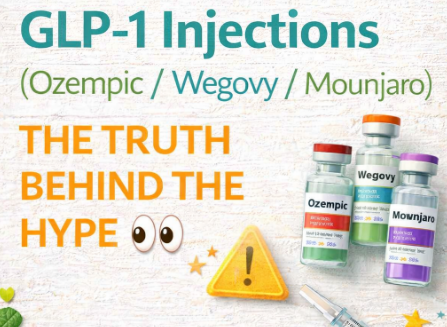
What is GLP-1?
GLP-1 (Glucagon-Like Peptide-1) is a naturally occurring hormone released from your gut after you eat. It plays a key role in:
 Regulating blood sugar Controlling appetite Slowing digestion Supporting insulin release Improving feelings of fullness
GLP-1 is part of the incretin hormone system, which helps your body manage glucose and appetite after meals. The challenge? Natural GLP-1 only lasts about 2 minutes in the bloodstream, which limits its effects.
What Do GLP-1 Medications Do?
GLP-1 medications (called GLP-1 receptor agonists) mimic this hormone — but last much longer in the body. Some newer medications also activate other hormones like GIP, which may enhance fat loss and reduce side effects.
Main Types (2025)
- GLP-1 receptor agonists (single hormone):
- Liraglutide (Saxenda, Victoza) – daily injection
- Semaglutide (Ozempic, Wegovy) – weekly injection
- Dulaglutide (Trulicity) – weekly injection
- Exenatide (Byetta, Bydureon) – older agents
- Oral semaglutide (Rybelsus) – tablet (diabetes only)
- Dual agonists (GLP-1 + GIP):
- Tirzepatide (Mounjaro, Zepbound) – currently shows the strongest weight loss results
- Triple agonists:
- Still emerging and under clinical development
How Do GLP-1 Medications Cause Weight Loss?
These medications don’t “burn fat” — instead, they change how your brain and digestive system regulate hunger and fullness.
They work by:
- Reducing hunger signals
→ Acting on the brain’s appetite centres so you naturally eat less, without feeling deprived. - Increasing fullness
→ Slowing stomach emptying so smaller portions feel satisfying. - Lowering food cravings and reward-driven eating
→ Less desire for ultra-processed, high-fat or high-sugar foods. - Improving insulin sensitivity
→ Fewer blood sugar dips and rebound cravings. - Improving metabolic efficiency over time
→ Reduced visceral fat and fat storage, especially around the abdomen.
Common Side Effects
Most side effects are gastrointestinal and dose-dependent, especially during the early dose increases:
Digestive symptoms:
- Nausea
- Vomiting
- Reflux
- Diarrhoea or constipation
- Bloating
- Early fullness
Nutrition-related concerns:
- Very low appetite → risk of under-eating
- Reduced protein intake → muscle loss risk
- Micronutrient deficiencies if intake drops too low
Other risks:
- Increased gallstone risk with rapid weight loss
- Rare associations with pancreatitis
- May worsen gastroparesis
- Contraindicated in those with medullary thyroid cancer or MEN2
Who Benefits Most?
GLP-1 medications are especially helpful for individuals with:
Type 2 diabetes Obesity or insulin resistance Emotional or binge-prone eating patterns PCOS Cardiometabolic risk factors Women in peri-, pre-, or post-menopause
Important Truths About GLP-1 Medications
As a dietitian, this is the part I want people to understand most clearly:
 These medications enhance physiology — they do not replace behaviour. Without nutrition, movement, and lifestyle support, weight regain is common after stopping. Muscle loss is a real risk if protein intake and resistance training are not prioritised.
What You Should Consider Before Starting
Before starting GLP-1 medication, it’s important to understand:
This is not a short-term fat-burning solution
These medications often require at least 6 months or longer, with slow dose increases, maintenance phases, and careful tapering. Some people need long-term or lifelong therapy to maintain results.
Cost matters
These medications are expensive and usually not covered by medical aid for weight loss alone — budgeting is essential.
Lifestyle changes are non-negotiable
To protect muscle mass, metabolism, and long-term results, focus on:
- High-protein intake
- Plenty of vegetables and fibre
- Adequate hydration
- Regular strength training
Side effects can impact daily life
Constipation, nausea, and reflux are common — and may require dietary and medication adjustments.
Not appropriate for everyone
Especially individuals with a history of eating disorders — this requires specialist oversight.
The Dietitian’s Bottom Line
GLP-1 medications can be powerful, life-changing tools for the right person — particularly when metabolic resistance makes weight loss feel impossible despite best efforts. But they work best when paired with:
Structured nutrition support Protein-focused eating Resistance training Behaviour change strategies Medical monitoring
Medication alone changes appetite — not habits. Sustainable health comes from addressing both.
If you’re considering GLP-1 therapy and want support with nutrition, muscle preservation, side effects, and long-term success, working with a dietitian alongside your doctor makes all the difference.